

Also known as hyperpigmentation of the vulva, is a relatively common condition characterized by the darkening of the skin in the genital area. Vaginal darkening, while it is typically harmless and does not indicate any underlying health issues, some individuals may experience concerns or self-consciousness due to the change in skin color. In this article, we will explore the causes of address common concerns associated with it, and discuss potential solutions for those seeking to lighten the affected area.
Causes Of Vaginal Darkening
Hormonal Changes
Fluctuations in hormone levels, particularly during puberty, pregnancy, and menopause, can contribute to the darkening of the skin in the genital region.
Friction and Irritation
Frequent rubbing or chafing of the skin due to tight clothing, aggressive washing, or intense physical activity can cause hyperpigmentation.
Post-Inflammatory Hyperpigmentation
Vaginal darkening skin inflammation resulting from conditions like dermatitis, infections, or sexually transmitted infections (STIs) can lead to darkening of the vulva.
Concerns Associated with Vaginal Darkening
Body Image and Self-Esteem
Some individuals may feel self-conscious or experience negative body image due to the change in their genital skin color.
Intimate Relationships
Can impact an individual’s comfort level and confidence in intimate situations, potentially affecting their sexual relationships.
Potential Solutions for Vaginal Darkening
Medical Consultation
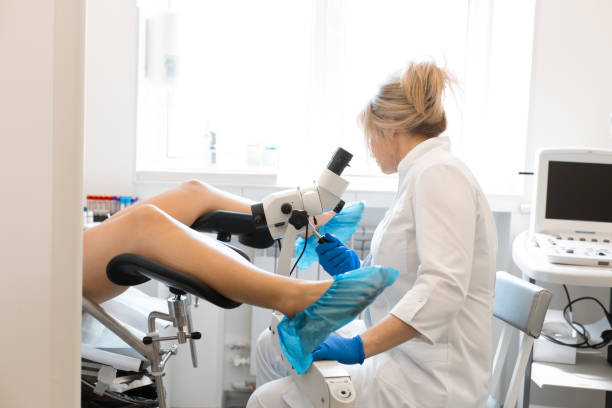
If you are concerned about the darkening of your vulva, it is advisable to consult a healthcare professional who can assess your specific situation and provide appropriate guidance.
Lifestyle Modifications
Vaginal darkening avoiding tight clothing, using gentle and pH-balanced cleansers, and practicing good genital hygiene can help prevent further darkening caused by friction and irritation.
Topical Treatments
Over-the-counter creams or ointments containing ingredients such as hydroquinone, kojic acid, or vitamin C may help lighten the darkened skin. However, it is crucial to consult a healthcare professional before using any products, as they can provide recommendations tailored to your needs.
Laser Therapy
In some cases, dermatologists may suggest laser treatments to reduce hyperpigmentation. These procedures involve using laser technology to target and break down excess melanin, leading to a lightening of the affected area.
Vaginal darkening is a common occurrence that can be caused by hormonal changes, friction, or inflammation. While it is generally benign, concerns related to body image and intimate relationships may arise. Seeking medical advice and exploring lifestyle modifications, topical treatments, or laser therapy can provide potential solutions for those looking to lighten the affected area. Remember, it is essential to consult a healthcare professional to determine the most suitable approach based on your individual circumstances.
It is important to note that is a natural variation in skin pigmentation and does not indicate any abnormality or health concern. However, if you notice any additional symptoms such as itching, burning, or unusual discharge accompanying the darkening, it is crucial to seek medical attention as these may be signs of an underlying condition that requires treatment.
In addition to medical interventions, it is essential to address the psychological impact of vaginal darkening. Open communication with your partner about your concerns and insecurities can help foster understanding and support. It is also beneficial to engage in self-care practices that promote self-acceptance and positive body image, such as practicing mindfulness, engaging in physical activities that make you feel confident, and surrounding yourself with a supportive social network.

